

Textile Software Development Services
Build smarter operations with our custom textile software development services. We help manufacturers, suppliers, and retailers in the textile industry improve production tracking, inventory management, supply chain visibility, and customer engagement — driving efficiency and business growth.
Our Array of Textile Software Development Services
Discover how Aspire SoftServ supports textile businesses with custom-built solutions. From manufacturers and exporters to distributors and retailers, we design software that simplifies production, strengthens supply chain management, and improves overall efficiency. Our goal is to keep your textile business competitive in both local and global markets.

Textile ERP Development
We build ERP systems tailored for textile manufacturers, exporters, and retailers. From raw material procurement to finished goods delivery, our ERP connects every department into one unified system. This ensures accurate data, smooth operations, and better decision-making for both small and large-scale textile enterprises.

Textile Inventory & Warehouse Systems
Managing raw fabrics, semi-finished materials, and bulk finished products is complex. Our inventory and warehouse solutions provide real-time tracking, automated stock updates, and optimized storage processes. This helps textile businesses reduce wastage, avoid stock shortages, and streamline warehouse operations for better efficiency and cost savings.

Textile Software Modernization
Outdated systems can slow down textile operations. We modernize legacy textile software with advanced features, scalable infrastructure, and improved security. Our modernization approach helps businesses adopt smarter processes, improve reporting accuracy, and stay competitive with platforms designed for today’s fast-changing global textile industry.

Textile Production Management
Our production management software helps textile companies track orders, monitor machine utilization, and optimize production schedules. By reducing bottlenecks, minimizing downtime, and improving resource allocation, we enable businesses to meet strict deadlines, maintain quality standards, and operate with greater control across multiple production units.

Textile Supply Chain Integration
We develop solutions that integrate suppliers, manufacturers, and distributors into a transparent ecosystem. From vendor collaboration and shipment tracking to compliance management, our platforms enhance visibility and communication across the textile supply chain, ensuring materials and products move smoothly across domestic and international markets.

Quality & Compliance Solutions
We design software that integrates quality checkpoints, testing protocols, and compliance reporting into textile workflows. From fabric inspections to international trade compliance, our tools ensure businesses deliver high-quality products that meet global standards while reducing the risk of defects, penalties, and operational delays.
Types of Textile Software We Develop
We design and develop specialized textile software that addresses the operational challenges of manufacturers, exporters, distributors, and retailers. Our solutions cover every stage of the textile value chain from raw material sourcing and production to distribution and sales helping businesses operate with efficiency and confidence in global markets.



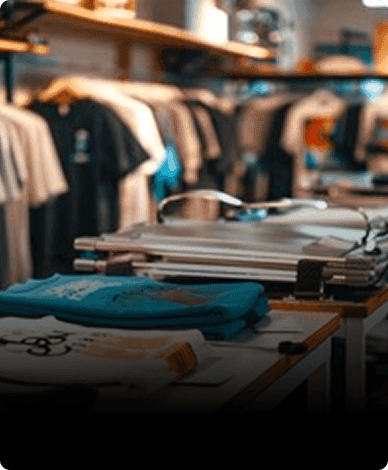


Custom Software Solutions for Every Textile Segment
We deliver specialized textile software solutions designed to optimize operations across different segments of the textile value chain. From yarn and fabric production to retail and exports, our custom software ensures improved efficiency, compliance, and profitability for textile businesses.

Yarn Manufacturers
Our experts design scalable solutions for yarn manufacturers to track raw materials, optimize spinning operations, and ensure consistent yarn quality for diverse industrial and commercial applications.

Fabric Mills
We build custom platforms for textile mills to streamline weaving, knitting, and dyeing processes, helping reduce downtime and maintain fabric quality across large-scale production orders.

Garment Manufacturers
Our tailored solutions support garment production units with efficient planning, order tracking, and real-time monitoring to meet bulk, seasonal, and custom apparel demands effectively.

Textile Retailers
We develop scalable retail solutions for textile businesses to manage inventory, streamline POS operations, and enhance customer buying experiences both in-store and online.

Exporters & Traders
Our platforms help exporters manage compliance, automate trade documentation, and track shipments, ensuring smooth operations and faster delivery in competitive global textile markets.

Home Textiles Businesses
We design solutions for home textile manufacturers to manage product catalogs, quality assurance, and distribution, improving delivery timelines for domestic and export clients.

Technical Textiles
Our experts create custom solutions for technical textile companies to handle specialized production, certifications, testing, and niche supply chain requirements more effectively.

Textile Distributors
We develop systems for distributors to simplify order management, track deliveries, and maintain strong relationships with retailers, wholesalers, and multi-channel supply partners.

Fashion & Apparel Brands
Our solutions empower apparel brands to align design, production, and sales, ensuring faster time-to-market, improved customer engagement, and consistent brand growth across channels.
Want to accelerate software development at your company ? See how we can help.
Why Choose Aspire for Your Textile Supply Chain Management Needs
Explore a partnership that prioritizes efficiency and results. With a deep understanding of textile operations, we deliver tailored solutions that integrate seamlessly across sourcing, production, and distribution. Benefit from proactive support and insights, designed to optimize your textile processes and enhance profitability.
Fabric & Material Traceability
As a trusted textile technology partner, we build solutions that ensure complete visibility across raw materials, fabrics, trims, and accessories. By tracking every stage from procurement to final processing, we help businesses reduce waste, maintain strict quality standards, and meet compliance requirements with confidence.
Production Workflow Optimization
Our textile supply chain solutions streamline weaving, dyeing, knitting, finishing, and stitching operations with precise workflow automation. Real-time monitoring and advanced scheduling tools empower manufacturers to reduce downtime, enhance throughput, and deliver consistent quality while lowering production costs across large and small-scale facilities.
Inventory & Stock Accuracy
We deliver advanced inventory management systems tailored for textile mills, exporters, and retailers. Businesses can accurately track raw cotton, yarn, semi-finished fabrics, and final garments. By integrating warehouses, production floors, and sales channels, we ensure higher visibility, minimize stockouts, and prevent excess holding costs effectively.
Vendor & Supplier Collaboration
Our platforms streamline communication between textile mills, dye houses, fabric processors, and distributors. With shared dashboards and automated updates, businesses gain better transparency into procurement cycles, raw material availability, and shipment tracking—ensuring smoother collaboration, faster decision-making, and timely deliveries across the textile value chain.
Order & Demand Forecasting
We provide intelligent forecasting tools to predict market demand, handle seasonal textile trends, and align production with customer needs. By analyzing sales patterns, export demand, and regional consumption shifts, manufacturers avoid overproduction, reduce excess stock, and maintain a balanced flow of goods across global markets.
Compliance & Sustainability Support
Textile businesses face increasingly strict sustainability and compliance requirements worldwide. Our solutions provide complete traceability, eco-compliance reporting, and integration with certifications such as OEKO-TEX and GOTS. This enables businesses to demonstrate ethical sourcing, reduce environmental impact, and remain competitive while meeting global textile industry standards.
Success Stories
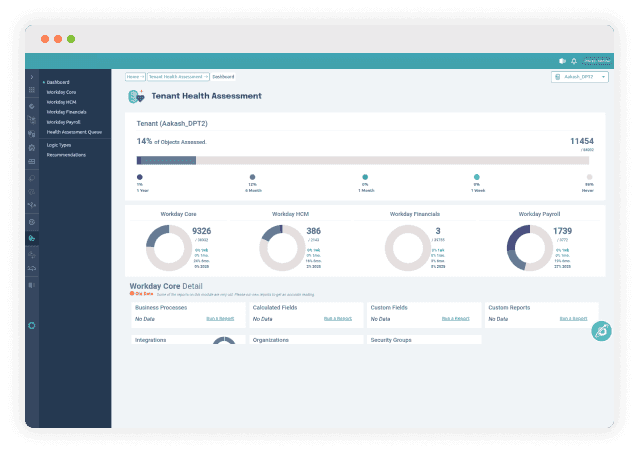
Workday Implementation Automation System
Automated platform for Workday users to manage updates, configs, and insights without external help.
#AutoSaaS#WorkToolsApp helps SaaS customers (Workday users) with tools & insights to self-manage platforms. It analyzes updates, configurations, tenants, & offers reports for feature adoption, visibility, security, integration, tracking, health, & optimization.
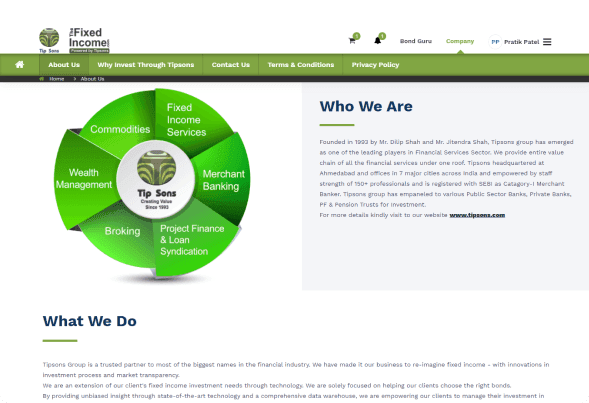
Fixed Income Securities Investment Portal
A marketplace for fixed income investments with B2C and B2B solutions.
#InvestmentBase#B2B2CPortal is an online marketplace for fixed income instruments, offering B2C & B2B SaaS solutions. Includes investment offers, KYC, forecasts, notifications, portfolio management, chat support, white-labeling, multi-site generation, calculations, & reports.
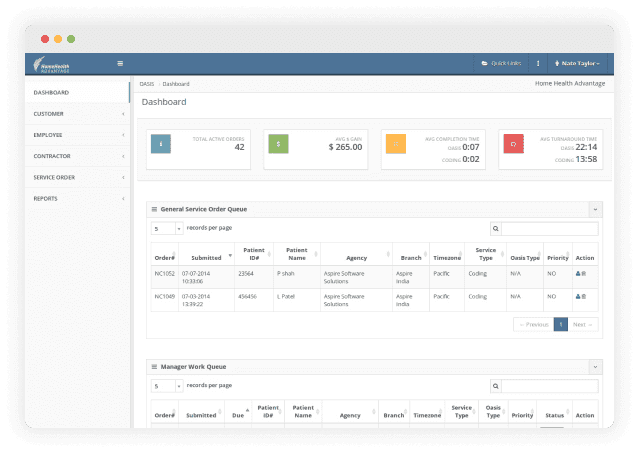
OASIS Service Order Management System for Home Health Agencies
A web app for managing service orders and generating PDF reports from patient charts and OASIS data.
#HealthTech#HealthLogsCustomer team (Nurses) reviews patient charts & OASIS data, provides reports with billing codes & info to improve patient chart for insurance billing via a web app. Used by customers to submit orders & by managers/Nurses to process requests & generate PDF reports.
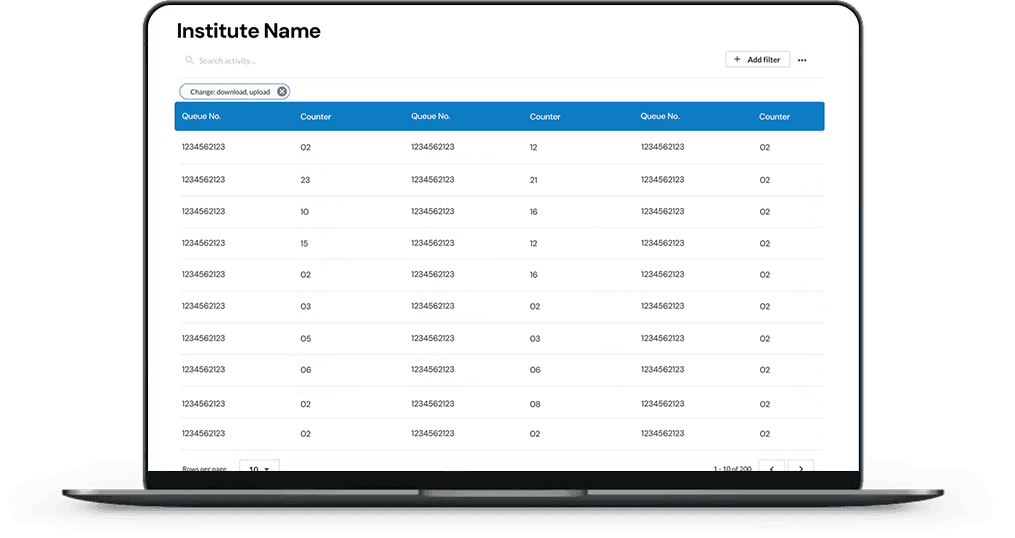
Public Hospital Enterprise Queue Management System
Streamline patient flow with a hospital queue system that reduces wait times and boosts efficiency.
#HealthcareEfficiency#SmartQueueA scalable hospital platform that streamlines patient registration, reduces wait times, and improves operational efficiency. Part of a comprehensive healthcare solution, it offers multilingual, device-agnostic access with centralized administration.
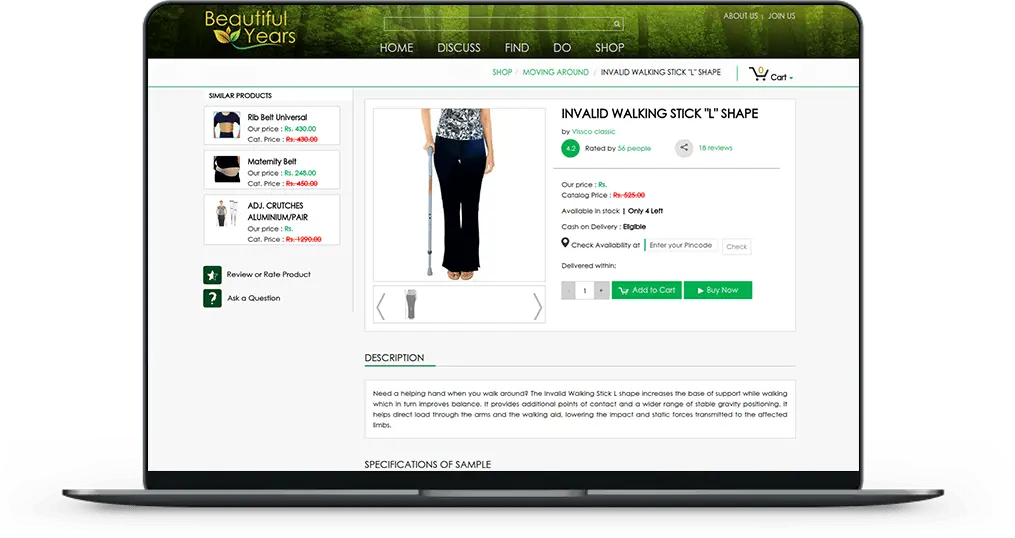
Elderly People Ecommerce Store
Senior-focused ecommerce for elderly care with voice navigation, expert help, virtual demos, and easy delivery.
#SmartShopping#ElderlyCareTechA purpose-driven online shopping platform designed for elderly individuals and caregivers, offering accessible navigation, expert recommendations, and seamless shopping experiences.
Advanced Technologies Redefining Supply Chain Management for Textile
Our custom textile SCM solutions leverage modern technologies to empower mills, manufacturers, and distributors with efficient operations, better quality control, and faster deliveries. By integrating digital innovations, textile businesses stay competitive, sustainable, and adaptive to global supply chain challenges.
Artificial Intelligence (AI)

Artificial Intelligence (AI)
AI streamlines textile operations by automating fabric inspection, predicting equipment failures, and improving production efficiency. It enables defect detection, demand forecasting, and optimized quality control, helping textile companies reduce waste while ensuring consistent output across all manufacturing units.
Internet of Things (IoT)

Internet of Things (IoT)
IoT-enabled sensors monitor machinery, dyeing processes, and inventory in real time, ensuring improved productivity and reduced downtime. Smart devices also track environmental factors such as humidity and temperature, maintaining fabric quality while boosting sustainability across the textile supply chain.
Augmented Reality (AR)

Augmented Reality (AR)
AR enables virtual fabric sampling, digital prototyping, and buyer previews, cutting sampling costs and accelerating approvals. By allowing customers to visualize garment designs and textile finishes digitally, manufacturers reduce lead time while improving client satisfaction and global collaboration opportunities.
Textile Data Visualization

Textile Data Visualization
Centralized dashboards display KPIs from weaving, dyeing, finishing, and logistics, providing actionable insights for better decisions. Data visualization tools simplify complex production metrics, enabling textile businesses to identify bottlenecks, improve throughput, and strengthen overall supply chain responsiveness.
Blockchain

Blockchain
Blockchain ensures raw material traceability, secures supplier contracts, and enhances compliance with sustainability standards. It helps textile companies verify cotton origin, track eco-friendly dye usage, and maintain transparent records, building buyer trust while meeting global certification and audit requirements.
Cloud Computing

Cloud Computing
Cloud solutions connect textile units, suppliers, and buyers on a single platform, ensuring scalability and real-time collaboration. It facilitates centralized order management, seamless communication, and faster production planning, empowering manufacturers to scale efficiently while reducing operational delays and risks.
Textile Business Intelligence

Textile Business Intelligence
BI tools analyze production data, demand patterns, and market insights to improve forecasting and streamline operations. By combining sales data, fabric performance, and buyer trends, textile firms can make faster, data-driven decisions to strengthen profitability and market competitiveness.
3D Fabric Simulation

3D Fabric Simulation
3D simulation tools digitally showcase fabric textures, colors, and finishes, reducing the need for physical samples. They allow global buyers to preview textile designs in detail, accelerating decision-making, minimizing rework, and promoting sustainable practices through reduced material waste.
Predictive Analytics

Predictive Analytics
Predictive models optimize sourcing, production scheduling, and logistics to maintain steady supply chain performance. By analyzing historical data and market shifts, textile companies can anticipate demand fluctuations, lower costs, and minimize disruptions, ensuring efficiency and timely delivery.
Hear from our clients

Client praised the team’s adaptability, expertise, and responsiveness.
The team was highly adaptable and knowledgeable throughout the partnership, much to the client's delight and complete satisfaction. The team was highly responsive, and internal stakeholders were particularly impressed with their deep experience and diverse service offerings.

Sunit Sushil
Manager Customer Excellence at Abzooba Inc
Client praised Aspire’s skill, speed, and professionalism.
Excellent developer skills and professionalism. Aspire was able to meet deadlines with short notice, communicate efficiently with team members on multiple tasks, produce precision functions, and quickly solve our dysfunction within our website. Will definitely hire them again.

Julie Brown
President of Fenix Net Solutions
Client trusts Aspire for quality, agility, and Liferay expertise.
Since 2015, the client has been satisfied with Aspire SoftServ Pvt. Ltd.'s excellent performance. They use agile methodologies, delivering quality design work that has surprised the internal stakeholders. Moreover, they stand out for their skilled resources, who have great expertise in Liferay.

Tony Haux
Chief Compliance Officer





Building a Robust and Versatile Technology Stack
At Aspiresoftserv, we build reliable software solutions using a carefully chosen set of modern technologies. Our approach focuses on creating scalable, secure, and high-performing applications that meet the unique needs of every business. We combine proven tools and best practices to deliver smooth, efficient experiences for users and businesses alike.
- Frontend
- Backend
- Mobile
- Cloud & DevOps
- Database


Our Agile Roadmap for Seamless Textile Software Development
A well-structured roadmap helps textile companies plan, produce, and deliver with accuracy. By breaking each stage into short, flexible steps, teams can manage raw materials, production, dyeing, supply chain, and quality checks more effectively. This approach reduces delays, improves compliance, and supports faster adaptation to new market trends while keeping costs and waste under control.
Yarn & Raw Material Planning
We structure agile sprints to manage fiber sourcing, yarn inventory, and raw material allocation. This ensures stable input supply, cost control, and reduced wastage for spinning and weaving operations, while also adapting to seasonal demand fluctuations and supplier variations.
Fabric Production Workflow
Agile development cycles track weaving, knitting, and dyeing processes in detail. This allows mills to optimize loom utilization, reduce downtime, and maintain fabric quality consistency across production units, ensuring continuous alignment with evolving buyer requirements and global textile market standards.
Dyeing & Finishing Optimization
Objectives are defined for batch-wise dyeing, chemical usage monitoring, and finishing schedules. Agile sprints ensure precise color matching, sustainable chemical compliance, and on-time finishing deliveries, helping textile businesses improve eco-certifications, reduce chemical costs, and achieve faster turnaround times for fashion cycles.
Supply Chain & Distribution
Deployment focuses on order tracking, warehouse digitization, and logistics. Textile units gain real-time visibility across suppliers, mills, and distributors—improving shipment accuracy and reducing lead times while enabling manufacturers to respond quickly to urgent orders and shifting customer expectations in global markets.
Quality Control & Compliance
Every sprint integrates textile-specific testing, from yarn quality checks to fabric roll inspections. Compliance with eco-friendly standards and certifications like OEKO-TEX or GOTS is ensured during QA cycles, reducing rejection rates and maintaining trust with international buyers and environmentally conscious consumers worldwide.
Continuous Process Improvement
Post-deployment, agile cycles adapt to new textile trends such as sustainable fabrics, just-in-time manufacturing, and digital printing. This ensures ongoing competitiveness in global textile markets, enabling manufacturers to scale faster, adopt new technologies, and remain flexible to industry-wide disruptions and future innovations.
Yarn & Raw Material Planning
We structure agile sprints to manage fiber sourcing, yarn inventory, and raw material allocation. This ensures stable input supply, cost control, and reduced wastage for spinning and weaving operations, while also adapting to seasonal demand fluctuations and supplier variations.
Fabric Production Workflow
Agile development cycles track weaving, knitting, and dyeing processes in detail. This allows mills to optimize loom utilization, reduce downtime, and maintain fabric quality consistency across production units, ensuring continuous alignment with evolving buyer requirements and global textile market standards.
Dyeing & Finishing Optimization
Objectives are defined for batch-wise dyeing, chemical usage monitoring, and finishing schedules. Agile sprints ensure precise color matching, sustainable chemical compliance, and on-time finishing deliveries, helping textile businesses improve eco-certifications, reduce chemical costs, and achieve faster turnaround times for fashion cycles.
Supply Chain & Distribution
Deployment focuses on order tracking, warehouse digitization, and logistics. Textile units gain real-time visibility across suppliers, mills, and distributors—improving shipment accuracy and reducing lead times while enabling manufacturers to respond quickly to urgent orders and shifting customer expectations in global markets.
Quality Control & Compliance
Every sprint integrates textile-specific testing, from yarn quality checks to fabric roll inspections. Compliance with eco-friendly standards and certifications like OEKO-TEX or GOTS is ensured during QA cycles, reducing rejection rates and maintaining trust with international buyers and environmentally conscious consumers worldwide.
Continuous Process Improvement
Post-deployment, agile cycles adapt to new textile trends such as sustainable fabrics, just-in-time manufacturing, and digital printing. This ensures ongoing competitiveness in global textile markets, enabling manufacturers to scale faster, adopt new technologies, and remain flexible to industry-wide disruptions and future innovations.
Let’s connect
Fill out the form, and we’ve got you covered.
Book a call or fill out the form below and we’ll get back to you once we’ve processed your request.
What happens next?
Our expert will follow up after reviewing your needs.
If required, we’ll sign an NDA to ensure privacy.
Our Pre-Sales Manager will send you a proposal.
Contact us
Our team would love to hear from you.
Frequently Asked Questions
What is textile ERP and how does it differ from regular ERP systems?
Textile ERP is a specialized system built to manage end-to-end textile operations—from raw material sourcing, spinning, weaving, and dyeing to finishing and distribution. Unlike generic ERP that focuses only on core business functions, textile ERP integrates industry-specific modules such as yarn management, fabric quality control, dye lot tracking, and compliance with eco-certifications, ensuring efficiency across the entire textile supply chain.
How does digital transformation influence the success of textile manufacturers?
Digital transformation in textiles drives smarter production, cost savings, and faster go-to-market. By using real-time tracking of yarn, fabrics, and machinery, textile companies can reduce wastage, optimize batch planning, and deliver high-quality fabrics consistently. This improves buyer confidence, ensures compliance with global standards, and enables manufacturers to stay competitive in fashion-driven and seasonal markets.
What stages are involved in a complete textile production lifecycle?
The textile production lifecycle typically includes raw fiber procurement, yarn spinning, fabric manufacturing (weaving or knitting), dyeing and finishing, quality control, warehousing, and distribution. Advanced ERP systems map each stage digitally, allowing mills to track performance, monitor quality at every step, and respond quickly to changing buyer requirements or sustainability mandates.
How are quality and compliance prioritized in textile operations?
Textile ERP integrates automated quality checks, including yarn breakage analysis, fabric roll inspections, and shade matching. It also ensures compliance with eco-friendly certifications like OEKO-TEX, GOTS, and ZDHC. By embedding these checks into production workflows, mills can reduce rejection rates, improve customer satisfaction, and maintain global trade credibility.
Can textile ERP help modernize legacy mills and manual processes?
Yes, textile ERP systems replace outdated spreadsheets and paper-based tracking with automated dashboards and real-time analytics. For legacy mills, this modernization means streamlined inventory, improved order tracking, and faster decision-making. The result is reduced operational overhead, better workforce efficiency, and the ability to meet the demands of global buyers.
What segments of the textile industry benefit most from digital ERP solutions?
Textile ERP supports a wide range of industry segments, including spinning mills, weaving units, knitting factories, dyeing and finishing plants, garment manufacturers, and exporters. Each segment benefits from improved production visibility, reduced wastage, and compliance management, ultimately helping businesses adapt to changing fashion trends and sustainability requirements.