
Accelerate your vision with scalable, user-centric development.
In a fast-evolving digital landscape, transforming ideas into market-ready products requires more than just code—it demands strategy, empathy, and execution. We help you build high-performance digital products that solve real-world problems, delight users, and scale with your business. From MVPs to enterprise-grade platforms, our cross-functional teams bring agility, precision, and innovation to every stage of product development.
Engaging Software Product Development, Evolving with Value
We don’t just develop software—we build experiences. Our product development approach starts with deep discovery, continues through iterative design and agile engineering, and finishes with seamless deployment and support.
Whether you're launching a brand-new platform or reimagining an existing one, our engineers, designers, and strategists work together to bring your vision to life.
Full-Stack Product Development & Scalable Tech Architecture
Build and scale digital products fast with agile MVPs, intuitive design, and modern architecture — from UI/UX to cloud-native, API-first development.


MVP Development
MVP Development
Launch quickly with the right set of features.

Lean Product Strategy
Feature Prioritization
Rapid Prototyping
Iterative MVP Launch

Custom Web & Mobile App Development
Custom Web & Mobile App Development
Create robust, engaging apps tailored to your goals.
Cross-Platform & Native Apps
Scalable Web Portals
Modern UI/UX Design
React, Flutter, Node.js, .NET, Python, etc.

API-First & Microservices Architecture
API-First & Microservices Architecture
Ensure flexibility, scalability, and speed.
RESTful & GraphQL APIs
Cloud-Native Microservices
Integration with 3rd Party Systems
API Security & Documentation

Product Engineering & DevOps
Product Engineering & DevOps
Combine engineering excellence with streamlined delivery.
CI/CD Pipeline Implementation
Test Automation
Code Quality & Performance Optimization
DevOps Toolchain Integration

User-Centric Design & Experience
User-Centric Design & Experience
Design products that engage and retain users.
User Journey Mapping
Wireframing & Interactive Prototypes
Design Systems & Accessibility Standards
Continuous Usability Testing

Cloud-Native & Edge-Ready Deployment
Cloud-Native & Edge-Ready Deployment
Deliver fast, reliable, and seamless performance for your users—no matter where they are.
AWS, Azure, GCP Deployments
Edge Architecture Support
Serverless & Containerized Environments
Auto-Scaling & Monitoring Setup
Full-Cycle Product Development with Design-Driven, Secure, and Scalable Solutions
End-to-End Ownership
From product ideation to post-launch scaling, we take full accountability at every step.
Design-Led Development
Our UX-first approach ensures every product we build is intuitive, beautiful, and purpose-driven.
Modern Tech Stack
We use the latest technologies and frameworks to ensure future-readiness and developer efficiency.
Agile & Transparent Execution
Our agile methodology, combined with full project visibility, keeps you in control at all times.
Flexible Engagement Models
From startup MVPs to enterprise rollouts, we adapt to your needs—team augmentation or full-product teams.
Security & Performance Built-In
We embed security, testing, and performance optimization into every sprint, not as afterthoughts.
Proven Success Across Domains
We’ve helped clients in fintech, healthtech, real estate, SaaS, and more build standout digital products.
Success Stories
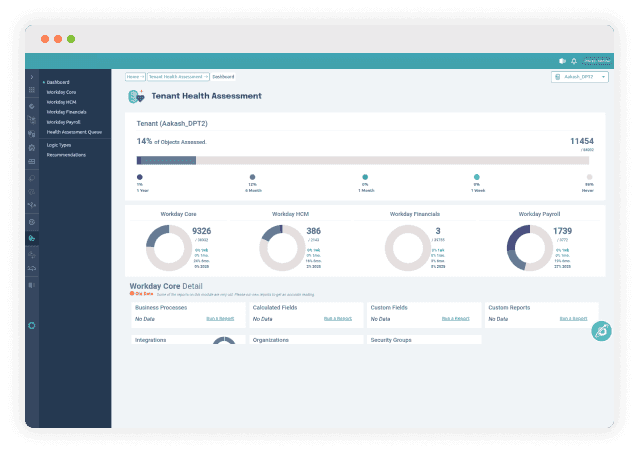
Workday Implementation Automation System
Automated platform for Workday users to manage updates, configs, and insights without external help.
#AutoSaaS#WorkToolsApp helps SaaS customers (Workday users) with tools & insights to self-manage platforms. It analyzes updates, configurations, tenants, & offers reports for feature adoption, visibility, security, integration, tracking, health, & optimization.
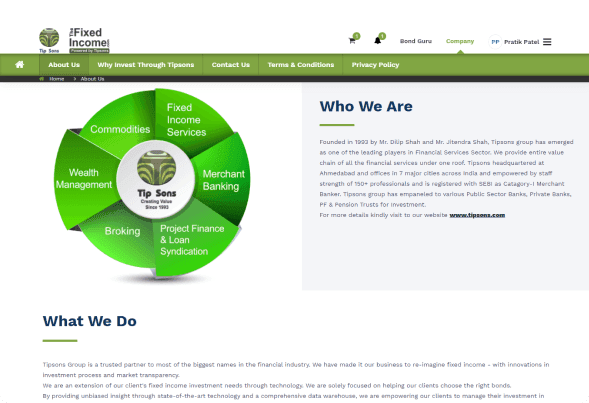
Fixed Income Securities Investment Portal
A marketplace for fixed income investments with B2C and B2B solutions.
#InvestmentBase#B2B2CPortal is an online marketplace for fixed income instruments, offering B2C & B2B SaaS solutions. Includes investment offers, KYC, forecasts, notifications, portfolio management, chat support, white-labeling, multi-site generation, calculations, & reports.
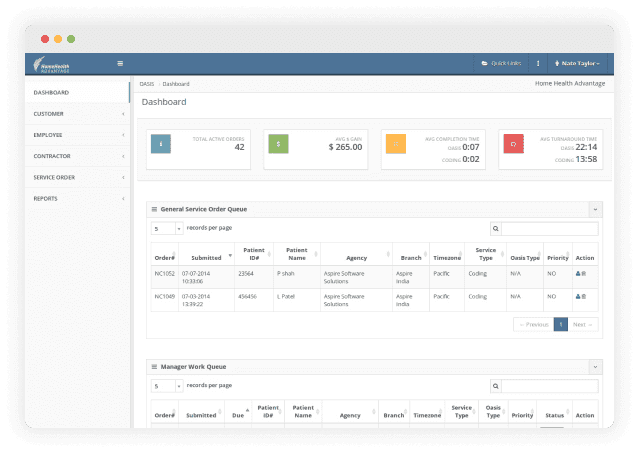
OASIS Service Order Management System for Home Health Agencies
A web app for managing service orders and generating PDF reports from patient charts and OASIS data.
#HealthTech#HealthLogsCustomer team (Nurses) reviews patient charts & OASIS data, provides reports with billing codes & info to improve patient chart for insurance billing via a web app. Used by customers to submit orders & by managers/Nurses to process requests & generate PDF reports.
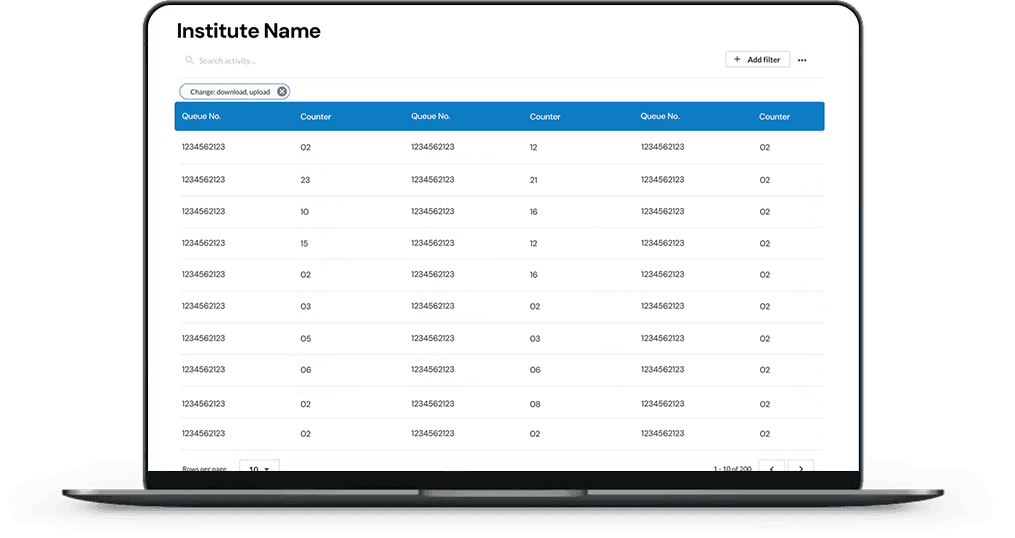
Public Hospital Enterprise Queue Management System
Streamline patient flow with a hospital queue system that reduces wait times and boosts efficiency.
#HealthcareEfficiency#SmartQueueA scalable hospital platform that streamlines patient registration, reduces wait times, and improves operational efficiency. Part of a comprehensive healthcare solution, it offers multilingual, device-agnostic access with centralized administration.
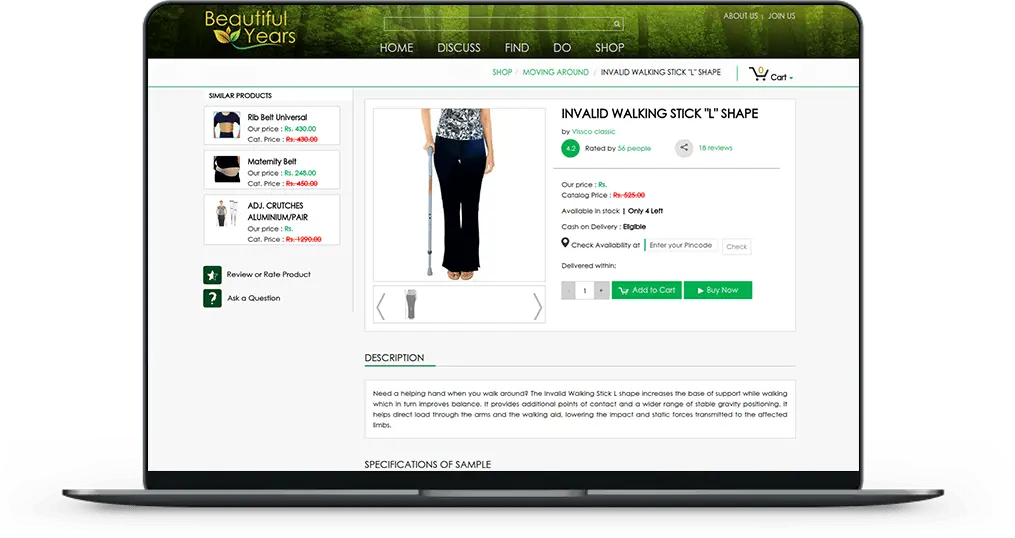
Elderly People Ecommerce Store
Senior-focused ecommerce for elderly care with voice navigation, expert help, virtual demos, and easy delivery.
#SmartShopping#ElderlyCareTechA purpose-driven online shopping platform designed for elderly individuals and caregivers, offering accessible navigation, expert recommendations, and seamless shopping experiences.
Hear from our clients

Client praised the team’s adaptability, expertise, and responsiveness.
The team was highly adaptable and knowledgeable throughout the partnership, much to the client's delight and complete satisfaction. The team was highly responsive, and internal stakeholders were particularly impressed with their deep experience and diverse service offerings.

Sunit Sushil
Manager Customer Excellence at Abzooba Inc
Client praised Aspire’s skill, speed, and professionalism.
Excellent developer skills and professionalism. Aspire was able to meet deadlines with short notice, communicate efficiently with team members on multiple tasks, produce precision functions, and quickly solve our dysfunction within our website. Will definitely hire them again.

Julie Brown
President of Fenix Net Solutions
Client trusts Aspire for quality, agility, and Liferay expertise.
Since 2015, the client has been satisfied with Aspire SoftServ Pvt. Ltd.'s excellent performance. They use agile methodologies, delivering quality design work that has surprised the internal stakeholders. Moreover, they stand out for their skilled resources, who have great expertise in Liferay.

Tony Haux
Chief Compliance Officer





Want to accelerate software development at your company ? See how we can help.
We build custom software tailored to your unique needs—covering everything from front-end interfaces to core back-end systems.
Frequently Asked Questions
What are the key stages involved in the software product development process?
The product development process typically starts with discovery and requirements gathering to understand user needs and business goals. This is followed by strategy creation, design, and prototyping to visualize the solution. Development and rigorous quality assurance ensure a reliable product, and deployment delivers it smoothly to users. Post-launch support and continuous improvements keep the product relevant and effective.
How do you ensure seamless integration with existing systems or third-party services?
Integration is planned carefully by analyzing your current technology stack and business workflows. Whether connecting legacy systems or cloud platforms, the approach focuses on minimizing disruption and ensuring data integrity. Robust APIs and middleware solutions enable smooth interoperability, creating a unified system that enhances operational efficiency.
What security and compliance measures are followed during product development?
Security is embedded from planning through deployment. We adhere to key compliance standards such as GDPR, HIPAA, and ISO 27001, depending on industry requirements. Secure coding practices, data encryption, penetration testing, and regular audits are part of the process to safeguard your product and build user trust.
What post-launch support and maintenance can I expect after product delivery?
Post-launch services include regular updates, bug fixes, performance optimizations, and feature enhancements. This ongoing support ensures that your product adapts to changing user needs, technological advancements, and market trends, maintaining a competitive edge and a smooth user experience.
How do you maintain transparent communication and keep stakeholders updated during development?
Clear and open communication channels are established from day one. Regular progress reports, sprint demos, and access to project management tools provide visibility into development stages. This transparency allows for timely feedback and collaboration, ensuring alignment with your vision throughout the project.
Why is user-centric design important in product development?
User-centric design ensures the product is intuitive, accessible, and meets real user needs, which drives adoption and satisfaction. By involving users early through research and prototyping, design decisions are guided by actual behavior and preferences rather than assumptions, resulting in a more successful product.
How can risks be minimized during the product development process?
Risks are mitigated through a structured, iterative approach including thorough market research, prototyping, and continuous testing. Prioritizing features based on real user feedback and focusing on MVP delivery allows validation of ideas early, reducing costly rework. Partnering with an experienced team also ensures technical and operational risks are managed effectively.