Reimagine Legacy Data Systems for a Cloud-Native Future
Legacy systems can’t keep pace with the growing volume, velocity, and variety of modern data. Our Data Modernization services help organizations unlock the full potential of their data by re-platforming, re-architecting, and re-engineering legacy environments into agile, cloud-based data ecosystems. Achieve faster insights, improved scalability, and reduced operational costs — all while future-proofing your data infrastructure.
Modern Data Foundations for Smarter, Scalable Decision-Making
We transform outdated data systems into modern, flexible, and intelligent platforms designed for advanced analytics, real-time insights, and AI-readiness.
From cloud migration to schema optimization, we ensure that your data landscape evolves with your business needs. Our modernization approach is incremental, secure, and tailored — ensuring minimal disruption with maximum impact.
End-to-End Data Modernization & Analytics Enablement
Transform your data with cloud migration, optimized pipelines, and scalable analytics platforms. Our secure, AI-ready solutions deliver actionable insights tailored to your needs.


Cloud Migration
Cloud Migration
Seamlessly transition from legacy systems to modern cloud-native platforms. Accelerate modernization while reducing risk and downtime.

On-Prem to Cloud
ETL/ELT Modernization
Hadoop Migration
Hybrid Cloud Setup

Warehouse Modernization
Warehouse Modernization
Modernize your data lake and warehouse to support analytics at scale. Handle both structured and unstructured data seamlessly.
Warehouse Design
Data Lake Setup
Federated Querying
Lakehouse Builds

Schema Tuning
Schema Tuning
Optimize schema design and query performance for scalable insights. Ensure fast, cost-effective data access.
Denormalization
Query Tuning
Partitioning & Caching
Performance Testing

Modern Pipelines
Modern Pipelines
Design efficient data pipelines for real-time and batch processing. Enable smooth orchestration and transformation flows.
Kafka, Flink Streams
Airflow, dbt Batches
CDC Integration
DataOps Setup

Data Governance
Data Governance
Modernize governance to maintain data quality, trust, and compliance. Empower secure, compliant data usage across the business.
Data Cataloging
Quality Checks
Metadata Management
Access & Masking

Analytics Architecture
Analytics Architecture
Build intelligent, scalable architecture for BI and AI readiness. Support multi-source blending and semantic data layers.
Lakehouse Design
AI/ML Ready
Data Blending
BI Tool Fit
Modernizing Data with Cloud-First, Compliant, and Future-Ready Architecture
Legacy Expertise with Cloud-First Mindset
We bring deep experience in legacy systems and cutting-edge expertise in modern cloud data platforms.
Accelerated & Safe Migration Paths
Our proven frameworks minimize downtime and risk during system upgrades or cloud transitions.
Cloud-Native & Vendor-Neutral Approach
Whether it’s Snowflake, Databricks, BigQuery, Redshift, or Azure Synapse — we recommend what's best for your ecosystem.
Modular & Scalable Designs
We architect for the future with microservices, containerized ingestion, and API-first pipelines.
Analytics & AI Readiness
Modernize not just for today’s BI, but for tomorrow’s predictive and generative AI needs.
Compliance-First Modernization
We embed security, privacy, and regulatory compliance into every layer of your modern data stack.
Full Lifecycle Support
From assessment to implementation to managed services — we’re your long-term data modernization partner.
Success Stories
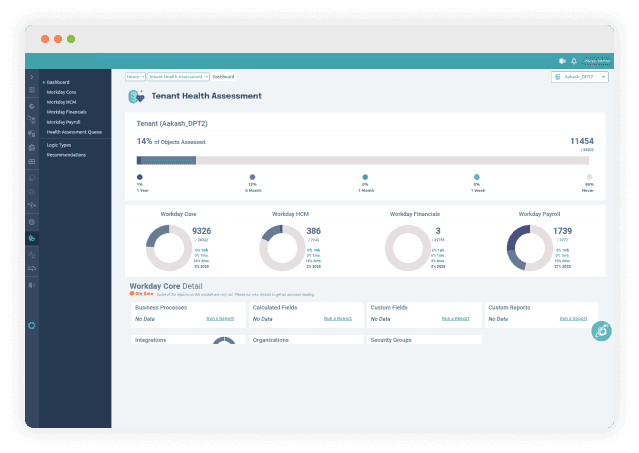
Workday Implementation Automation System
Automated platform for Workday users to manage updates, configs, and insights without external help.
#AutoSaaS#WorkToolsApp helps SaaS customers (Workday users) with tools & insights to self-manage platforms. It analyzes updates, configurations, tenants, & offers reports for feature adoption, visibility, security, integration, tracking, health, & optimization.
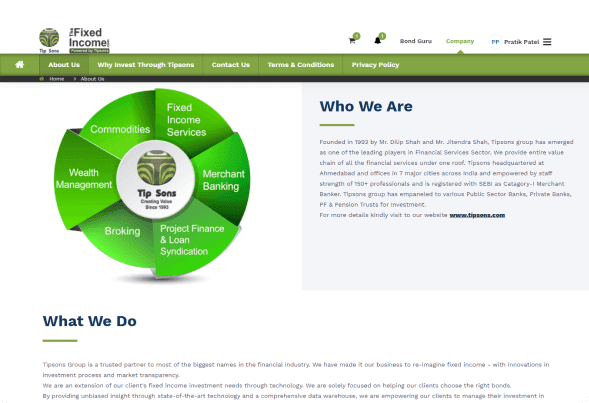
Fixed Income Securities Investment Portal
A marketplace for fixed income investments with B2C and B2B solutions.
#InvestmentBase#B2B2CPortal is an online marketplace for fixed income instruments, offering B2C & B2B SaaS solutions. Includes investment offers, KYC, forecasts, notifications, portfolio management, chat support, white-labeling, multi-site generation, calculations, & reports.
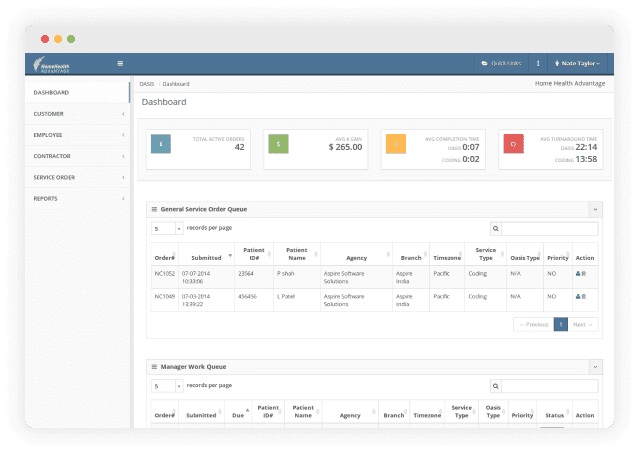
OASIS Service Order Management System for Home Health Agencies
A web app for managing service orders and generating PDF reports from patient charts and OASIS data.
#HealthTech#HealthLogsCustomer team (Nurses) reviews patient charts & OASIS data, provides reports with billing codes & info to improve patient chart for insurance billing via a web app. Used by customers to submit orders & by managers/Nurses to process requests & generate PDF reports.
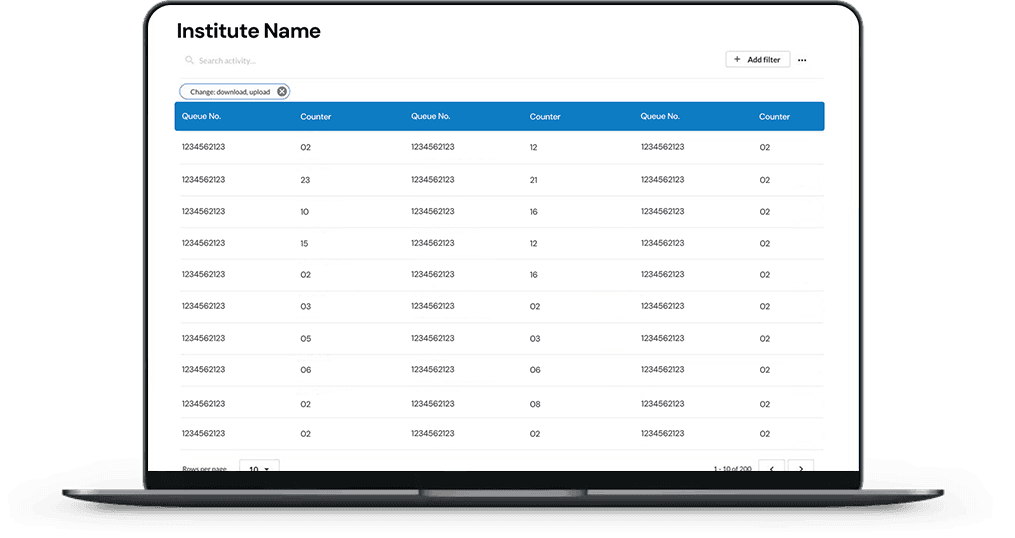
Public Hospital Enterprise Queue Management System
Streamline patient flow with a hospital queue system that reduces wait times and boosts efficiency.
#HealthcareEfficiency#SmartQueueA scalable hospital platform that streamlines patient registration, reduces wait times, and improves operational efficiency. Part of a comprehensive healthcare solution, it offers multilingual, device-agnostic access with centralized administration.
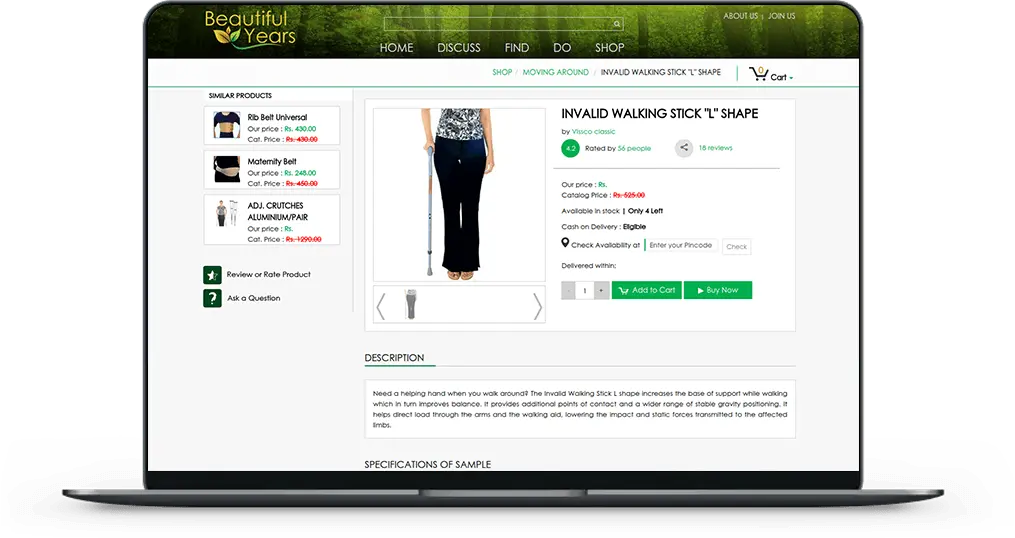
Elderly People Ecommerce Store
Senior-focused ecommerce for elderly care with voice navigation, expert help, virtual demos, and easy delivery.
#SmartShopping#ElderlyCareTechA purpose-driven online shopping platform designed for elderly individuals and caregivers, offering accessible navigation, expert recommendations, and seamless shopping experiences.
Hear from our clients

Client praised the team’s adaptability, expertise, and responsiveness.
The team was highly adaptable and knowledgeable throughout the partnership, much to the client's delight and complete satisfaction. The team was highly responsive, and internal stakeholders were particularly impressed with their deep experience and diverse service offerings.

Sunit Sushil
Manager Customer Excellence at Abzooba Inc
Client praised Aspire’s skill, speed, and professionalism.
Excellent developer skills and professionalism. Aspire was able to meet deadlines with short notice, communicate efficiently with team members on multiple tasks, produce precision functions, and quickly solve our dysfunction within our website. Will definitely hire them again.

Julie Brown
President of Fenix Net Solutions
Client trusts Aspire for quality, agility, and Liferay expertise.
Since 2015, the client has been satisfied with Aspire SoftServ Pvt. Ltd.'s excellent performance. They use agile methodologies, delivering quality design work that has surprised the internal stakeholders. Moreover, they stand out for their skilled resources, who have great expertise in Liferay.

Tony Haux
Chief Compliance Officer




Want to accelerate software development at your company ? See how we can help.
We build custom software tailored to your unique needs—covering everything from front-end interfaces to core back-end systems.
Frequently Asked Questions
1. What is data modernization and why is it important?
Data modernization transforms legacy systems into cloud-native platforms, enabling real-time access, scalability, and advanced analytics. It eliminates inefficiencies and silos, reduces costs, supports AI-driven insights, and helps businesses gain a competitive edge in today’s data-driven market.
2. How long does a data modernization project take?
The timeframe depends on your data volume, system complexity, and business readiness. Smaller to mid-sized migrations often take 2-6 months, while large, enterprise-wide modernization can span several months to a few years. Incremental, phased approaches help reduce risk and disruption throughout the process.
3. What are the key benefits of data modernization?
Data modernization provides real-time, accurate data, enabling better decisions and operational efficiency through automation. It supports scalability, ensures compliance (GDPR/HIPAA), enhances customer experiences with unified data, and lowers IT costs—helping businesses operate smarter and more competitively.
4. How do you mitigate risks during data modernization?
Risk mitigation in data modernization includes careful migration planning, data profiling and cleansing, thorough testing, validation, rollback strategies, and compliance with data protection regulations. These steps minimize data loss, downtime, and compatibility issues while ensuring business continuity.
5. Will data modernization disrupt my business operations?
Not if done right. Using a phased and agile approach—modernizing critical systems first and expanding gradually—minimizes disruptions. Running old and new systems in parallel, scheduling migrations during off-peak hours, ongoing communication with stakeholders, and dedicated support ensure smooth transitions without halting business activities.
6. How does data modernization support my AI and machine learning strategy?
AI and ML need clean, integrated, high-quality data on scalable platforms. Data modernization creates centralized, compliant ecosystems that enable real-time analytics, improve data quality, and provide infrastructure for complex AI models—boosting AI performance and maximizing ROI.
7. Can my business modernize data without in-house technical expertise?
Yes, partnering with experienced data modernization experts means you don’t need extensive internal resources. A reliable technical partner handles assessment, planning, execution, and ongoing support, guiding you through complex migrations and helping your teams adopt new systems effectively—like hiring a skilled contractor to build a future-proof data environment