

Manufacturing
Odoo ERP Implementation for Chemical Manufacturing Company
A mid-sized chemical firm replaced legacy systems with Odoo ERP for batch control, real-time inventory, and compliance fixing process gaps before automation.
Overview
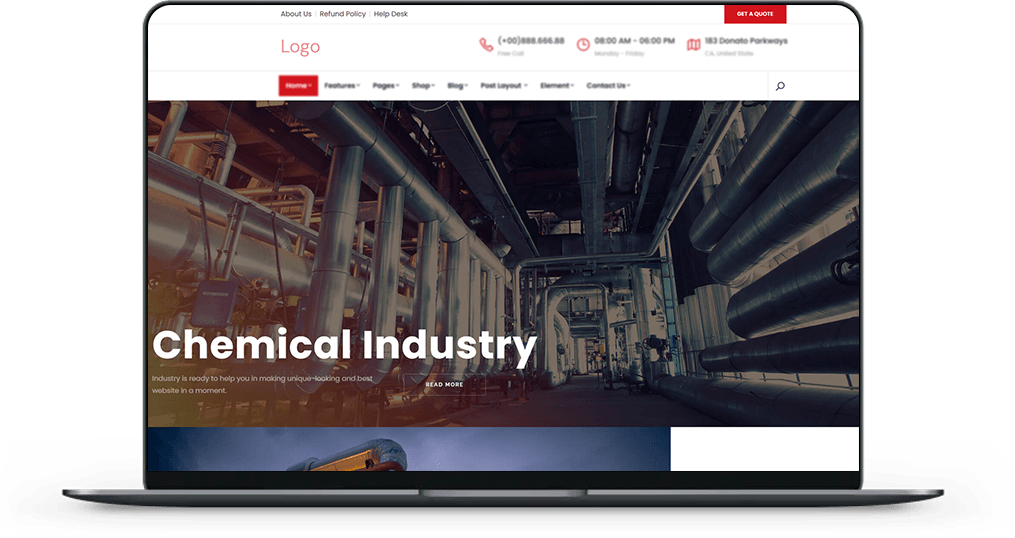
The client is a chemical manufacturing company supplying formulated products to industrial customers. Their operations involved multiple raw materials, batch-based production, quality checks at different stages, and strict compliance documentation for audits and customer requirements. Day-to-day operations depended heavily on manual tracking and individual follow-ups. This made it difficult to maintain consistency across sales, production, and stores.
Most information was available only after delays, and teams often worked with different versions of the same data.
Tech Stack





improvement in overall operational efficiency.

reduction in operational expenses achieved.

adherence to regulatory compliance requirements.
Challenges
Before ERP implementation, the client faced several operational issues that directly affected production, compliance, and customer commitments.
Raw materials and finished goods were tracked across multiple spreadsheets and systems. Batch-level consumption was recorded manually, making material traceability difficult and inventory mismatches common.
Production schedules were built on assumptions, not real-time data. Demand changes led to frequent rescheduling, idle capacity, or delayed deliveries.
Quality checks were carried out but documented on paper. There was no consistent control to ensure approvals were completed before dispatch or process handover.
Regulatory and batch documentation required manual compilation. Audit readiness depended on individuals knowing where records were maintained.
Management lacked a consolidated operational view. Production status, inventory health, and order fulfillment were reviewed using delayed or incomplete data.
Solution
Rather than automating existing problems, the ERP implementation focused on correcting process gaps first, then supporting them through Odoo.

Unified Operations on Odoo
Inventory, production, quality control, and accounting were brought onto a single Odoo instance. This eliminated duplicate data entry and ensured all teams worked on the same dataset.

Batch-Oriented Production Setup
Production workflows were configured to reflect actual chemical manufacturing practices, including batch-wise tracking of raw materials and finished goods. Consumption, production output, and quality status were linked at the batch level.

Embedded Quality Control
Quality checks were integrated directly into production workflows. Products could not move forward without required quality approvals, reducing reliance on manual enforcement.

Compliance-Ready Documentation
Required compliance data batch history, material traceability, and quality records—became system-generated instead of manually compiled. This significantly reduced audit preparation effort.

Inventory Accuracy and Forecasting
Real-time inventory visibility helped align procurement and production planning. Demand forecasting was configured based on historical data, helping reduce stock-outs and excess inventory.

User Adoption and Training
Role-based training sessions were conducted for production, QC, stores, and administrative teams. The focus was on daily usage scenarios rather than system features, ensuring smoother adoption.
Business Impact
The impact of the ERP implementation was visible within the first few months of go-live.

Better Operational Performance
Operational efficiency improved by 22% due to reduced manual effort and fewer production disruptions.

Lower Operating Expenses
Operational costs reduced by 14%, driven mainly by better inventory control and reduced rework.

Audit-Ready Compliance Processes
Regulatory compliance adherence reached 98%, with audit-ready data available on demand.

Improved financial accuracy
Approximately 40% reduction in accounting corrections, as accounting entries were automatically posted from operations.

Real-Time Operational Visibility
Management gained real-time visibility into inventory, production status, and order fulfillment.
Want to accelerate software development at your company ? See how we can help.
We build custom software tailored to your unique needs—covering everything from front-end interfaces to core back-end systems.
Browse Our Latest Insights